Is It Good to Use a TV Cover? When It Helps and When It Harms
You have a 43 to 55 inch TV, a dusty room or a renovation coming, and you are wondering whether to throw a cover over the set. So, is it good to use a TV cover? Sometimes, yes. It is fine for short or temporary jobs when the TV is fully off and cool. As a permanent, everyday habit, we would not recommend a full cover.
Quick answer: A TV cover is fine for dust during renovation, a trip, or storage, as long as the TV is switched off, unplugged or on standby only briefly, and completely cool. Leaving a fabric or plastic cover on every day adds heat, trapped moisture and vent-dust risks that are not worth it. For daily screen protection, a cover-free option like a static-cling screen protector is usually the better fit.
When a cover genuinely earns its place
A cover is useful when the TV will sit unused and exposed to something messier than normal household dust. We would use one in three situations.
- Renovation: Painting, sanding and tile cutting throw fine dust that settles on the screen and gets into the vents. Covering the TV helps here, though if you can move it to another room, do that instead.
- Long travel: If the house is shut for a few weeks, a breathable cover keeps dust off. Unplug the TV first.
- Storage: If the set is boxed or wrapped, make sure it is dry and upright, with nothing pressing on the panel.
In all three, the TV is off for days, so heat is not a concern. That is the key condition.
Why heat and ventilation make full covers a poor daily habit
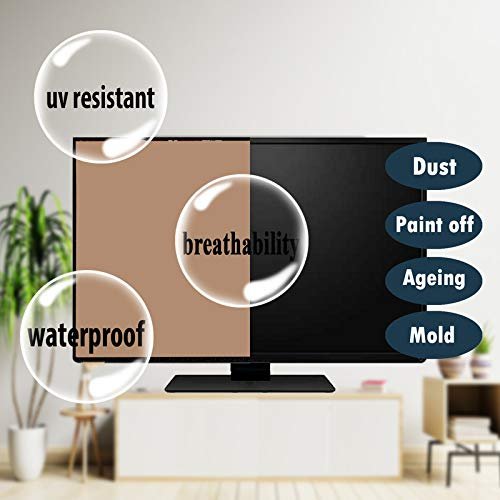
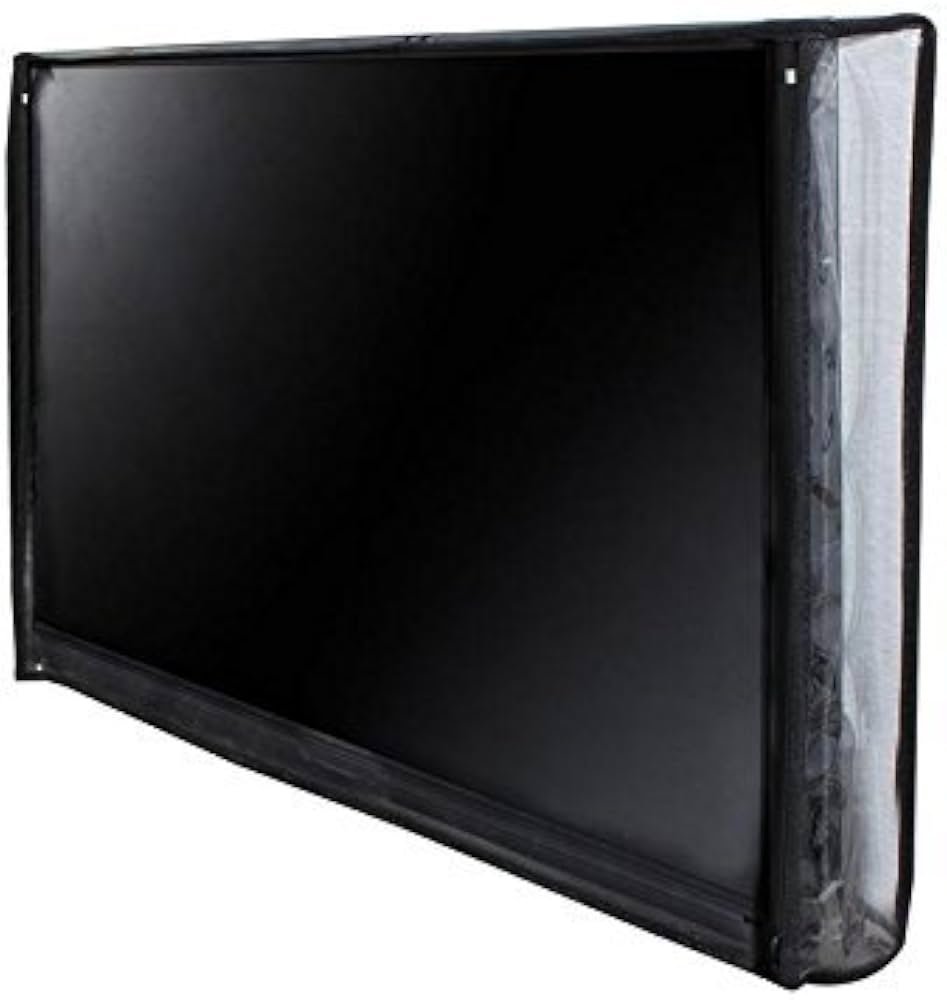
A TV that has just been switched off is still warm, and a cover over it holds that warmth in. Modern LED sets run cooler than old plasma or CRT models, but they still release heat through the back and top vents, and the power supply board is the part that stays warm longest. A snug plastic or fabric cover slows that cooling and can trap humidity, which matters in Indian monsoon conditions.
We cannot give you one safe temperature, because it varies by brand and model. Your TV’s user manual will state the ventilation clearances and any warnings about covering the set, so check it. Our rules are simple:
- Never cover a TV that is on, in standby after heavy use, or still warm. Give it at least 30 minutes to cool, longer in summer.
- Never use a cover that seals the vents or hangs tight against the back.
- Avoid thick, non-breathable plastic sheets for anything beyond a day or two.
Overheating from a cover is unlikely to be dramatic after one night, but a habit of daily covering over months is where problems build up, and a heat-related fault is not something we would want to explain to a warranty desk.
The dust problem covers do not fully solve
People assume a cover keeps dust out. It keeps dust off the screen, but the cover itself collects dust on the outside. When you pull it off or drag it across the set, that dust falls onto the top edge and into the vents. Fabric covers can also shed fibres and, if pulled on carelessly, press grit against the glass or film surface and leave micro-scratches.
If dust is your only worry, a dry microfibre cloth wiped gently across the screen once a week handles it. Skip paper towels and sprays, which can mark the surface or seep into the edges.
Cover or screen protector: what each one actually protects
| Point | Full TV cover | Static-cling screen protector |
|---|---|---|
| What it protects | Whole set, from dust only | Panel surface from scratches, marks and glare |
| Used while TV is on | No | Yes, stays on while you watch |
| Heat or vent risk | Yes, if used on a warm TV | Does not cover vents or the body |
| Effort each day | Put on and remove every time | None once fitted |
| Best for | Renovation, travel, storage | Homes with kids, pets, cleaning, daily use |
Fit and results depend on your TV size, how it is handled, and the cover’s material; check your manual for the maker’s own guidance.
A cover is protection for when the TV is not in use. A screen protector works while you are using it. They solve different problems, and we explain the difference further in our guide to TV cover vs TV screen protector.
Situations where we would not cover the TV at all
- Right after use, while the back or top still feels warm.
- In a damp room, or during heavy monsoon humidity, where a sealed cover can hold moisture against the set.
- When the TV is wall-mounted with little gap behind it and the cover would fill that space.
- If your manual specifically warns against covering the set.
- With a cover that is dirty, damp or rough on the inside.
What we would do in your place
For daily life, we would skip the cover habit. Wipe the screen with microfibre, keep the vents clear, and if scratches, cleaning marks or children’s hands are the real worry, fit a screen protector. We have been making them at Screen Guardian since 2018. Ours is static cling with no adhesive, so there is no glue on the panel, and it stays on while you watch. For a 43 inch set, see the 43 inch TV screen protector, priced at ₹2,999 with free shipping across India. For 50 or 55 inch sets, check the size pages, and use our measuring guide before ordering.
Keep a breathable cover for the renovation or the month away. That is where it is actually good.
Frequently asked questions
Can I cover my TV overnight?
Only if it is fully off and cool, and the cover is breathable and loose. Do not do it every night as a routine.
Is an old bedsheet a safe cover?
For a few days on a cool TV, a clean, dry cotton sheet draped loosely is acceptable. Keep it off the vents and make sure it is not damp.
Does a screen protector cause overheating?
It covers only the front surface, not the vents or body, so it does not trap heat the way a full cover does. Check your manual if you want the maker’s position.
Should I cover the TV if I have a cat or small kids?
A cover will not stop knocks or scratches while you watch. See our guide on protecting your TV from babies and kids.
Related guides
Talk to Screen Guardian about the right protection
If you are not sure whether your TV needs a cover, a screen protector, or neither, call Screen Guardian on +91-4562796089. Tell us your TV size and how it is used, and we will recommend the right option, even if that means you do not need to buy anything.
{“@context”:”https://schema.org”,”@graph”:[{“@context”:”https://schema.org”,”@type”:”Article”,”headline”:”Is It Good to Use a TV Cover? When It Helps and When It Harms”,”description”:”So, is it good to use a TV cover? It is fine for short or temporary jobs when the TV is fully off and cool. As a permanent, everyday habit, we would not recommend a full cover.”,”publisher”:{“@type”:”Organization”,”name”:”screen guardian”},”author”:{“@type”:”Organization”,”name”:”screen guardian”}},{“@context”:”https://schema.org”,”@type”:”FAQPage”,”mainEntity”:[{“@type”:”Question”,”name”:”Can I cover my TV overnight?”,”acceptedAnswer”:{“@type”:”Answer”,”text”:”Only if it is fully off and cool, and the cover is breathable and loose. Do not do it every night as a routine.”}},{“@type”:”Question”,”name”:”Is an old bedsheet a safe cover?”,”acceptedAnswer”:{“@type”:”Answer”,”text”:”For a few days on a cool TV, a clean, dry cotton sheet draped loosely is acceptable. Keep it off the vents and make sure it is not damp.”}},{“@type”:”Question”,”name”:”Does a screen protector cause overheating?”,”acceptedAnswer”:{“@type”:”Answer”,”text”:”It covers only the front surface, not the vents or body, so it does not trap heat the way a full cover does. Check your manual if you want the maker’s position.”}},{“@type”:”Question”,”name”:”Should I cover the TV if I have a cat or small kids?”,”acceptedAnswer”:{“@type”:”Answer”,”text”:”A cover will not stop knocks or scratches while you watch. See our guide on protecting your TV from babies and kids.”}}]}]}